LT FRANCIS X. MAHER, JR., USN
Lucky Bag Yearbook
From the 1935 Lucky Bag:
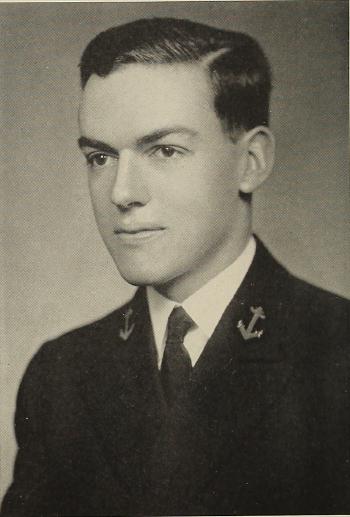
FRANCIS XAVIER MAHER
1 P.O.
Loss
Francis was lost when his TBD-1 ran out of fuel and crashed into the sea following a strike against Jaluit Atoll in the Marshall Islands.
Other Information
From researcher Kathy Franz:
Francis attended Drew School in San Francisco and then attended a military school in Palo Alto. He received a Presidential appointment to the Naval Academy and entered with his cousin Thomas Culhane (#12619, Class of 1937). Their mothers were sisters.
Father Francis (10/30/1879-1/6/1965); mother Helen (Brosnahan) (x-1934), and sisters Helen (1917-x) and Maria (1919-1972). In 1920 the family lived in Vallejo, California. In June 1928, Francis came in with his family from Manilla, Philippines. His father was a Lieutenant Commander in the Navy who served in WWI and WWII. Francis was in attendance when his sister Helen married Andrew Burgess (’38) in Puerto Rico in 1940. In July 1941, his father was elected commander of the North Oakland Post No. 423, American Legion.
The 1955 reunion book said in part:
Xavier was assigned to the MEMPHIS when he graduated and stayed aboard for two full years. Then after he got his wings was assigned in ‘39 as Assistant Attache in London for combat observations and took many trips around Europe. When he returned to the U.S. after the war started he was assigned to the YORKTOWN. He was reported missing in action on 1 February, 1942, after a strike over the Marshall Islands during a heavy storm. Xavier was one of six pilots who did not return.
Xavier’s father, Lt. Cdr. F. X. Maher, Sr. USN (retired) lives at 2377 Woolsey St. , Berkley, Calif.
Francis’ father was listed as next of kin.
He is listed at the Courts of the Missing in Hawaii.
Photographs
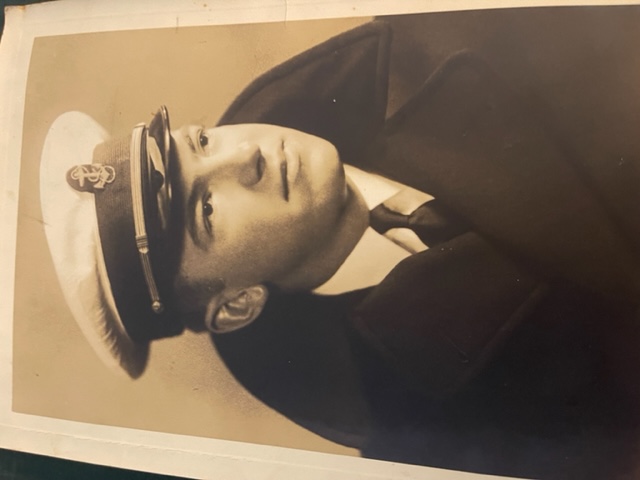
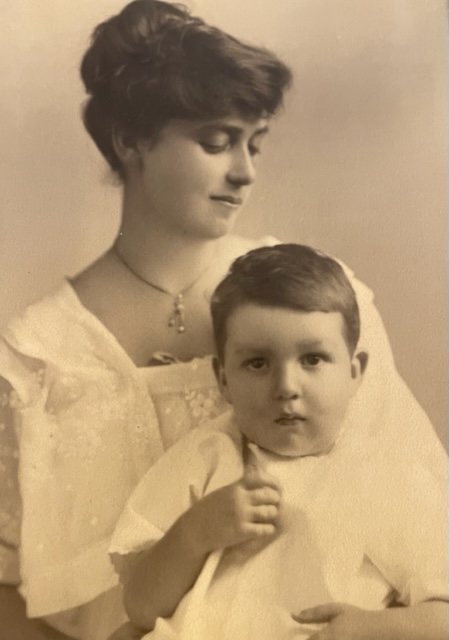
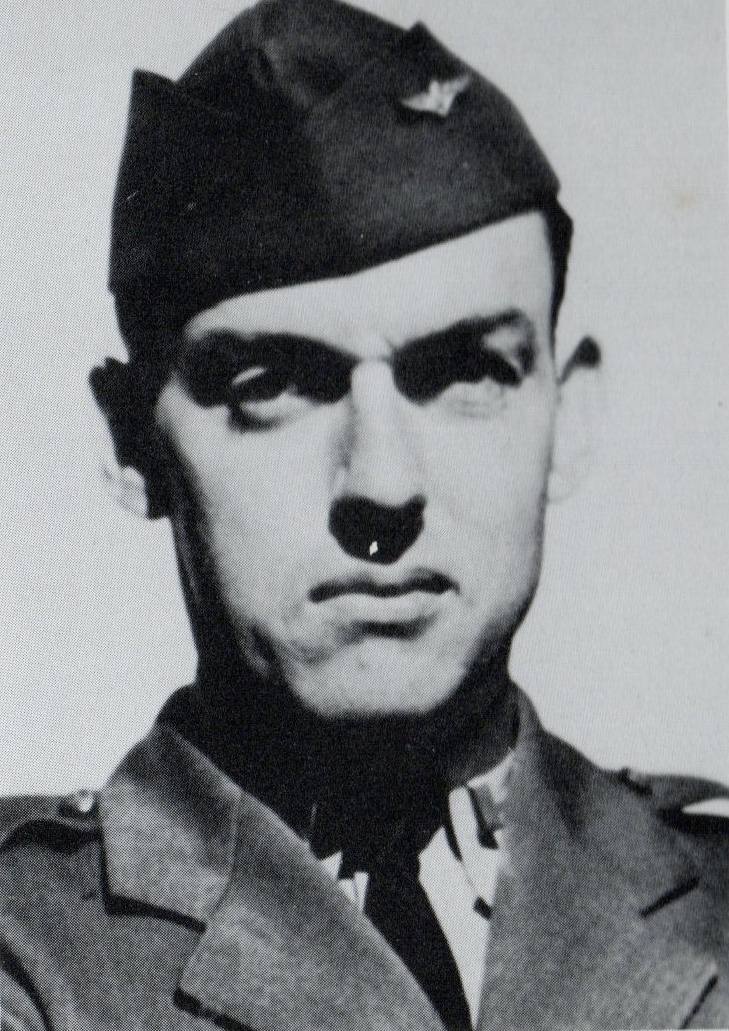
Raid on the Marshall Islands
On February 1, 1942, Task Force 17, led by VADM William Halsey, Jr. (USNA '04) struck Jaluit, Mili, and Makin (Butaritari) islands. The Task Force was centered on USS Yorktown (CV 5), with USS Louisville (CA 28) among her escorts.
George Bellinger '32, Francis Maher, Jr. '35, and Jack Moore '36 were all flying from Yorktown and were all lost that day. George Bellinger's plane simply "failed to return;" he had last been seen in the vicinity of Jaluit as the leader of a bombing section. Jack Moore's plane also "failed to return;" no other information was given in the after-action report. Francis Maher may have been the pilot of the plane observed in the water approximately 20 miles astern of the carrier, presumably having crashed due to a lack of fuel. The crew were seen getting into rubber rafts, and "a destroyer was immediately sent back but failed to make contact."
A fourth graduate, Edward Worthington '34, was lost when his float plane, launched from Louisville, went missing and was possibly shot down by a Japanese patrol bomber.
Separately, Task Force 8 was raiding other islands in the group. Hallsted Hopping '24, commanding officer of Scouting Squadron (VS) 6, was flying from USS Enterprise (CV 6). His aircraft was shot down by a Japanese fighter and he and his gunner were both killed.
Navy Directories & Officer Registers
The "Register of Commissioned and Warrant Officers of the United States Navy and Marine Corps" was published annually from 1815 through at least the 1970s; it provided rank, command or station, and occasionally billet until the beginning of World War II when command/station was no longer included. Scanned copies were reviewed and data entered from the mid-1840s through 1922, when more-frequent Navy Directories were available.
The Navy Directory was a publication that provided information on the command, billet, and rank of every active and retired naval officer. Single editions have been found online from January 1915 and March 1918, and then from three to six editions per year from 1923 through 1940; the final edition is from April 1941.
The entries in both series of documents are sometimes cryptic and confusing. They are often inconsistent, even within an edition, with the name of commands; this is especially true for aviation squadrons in the 1920s and early 1930s.
Alumni listed at the same command may or may not have had significant interactions; they could have shared a stateroom or workspace, stood many hours of watch together, or, especially at the larger commands, they might not have known each other at all. The information provides the opportunity to draw connections that are otherwise invisible, though, and gives a fuller view of the professional experiences of these alumni in Memorial Hall.
January 1936
April 1936
January 1937
September 1937
January 1938
July 1938
January 1939
October 1939
June 1940
November 1940
April 1941
Francis is one of 56 members of the Class of 1935 on Virtual Memorial Hall.