LCDR NORMAN W. WHITE, USN
Lucky Bag Yearbook
From the 1939 Lucky Bag:
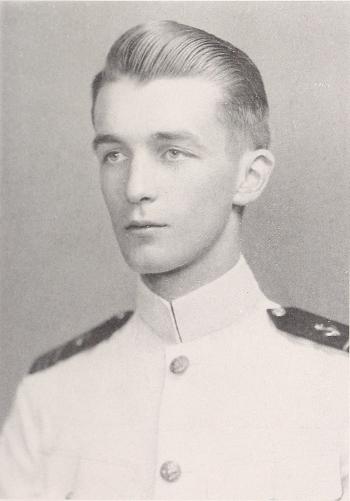
NORMAN WOODROW WHITE
Wrestling 4; Radio Club 1; Movie Gang; Log Staff; 1 Stripe.
Loss
Norman was lost on May 4, 1945 when the PBY Catalina “flying boat” patrol bomber he was aboard – or possibly piloting – crashed into a fog-shrouded hillside near the Golden Gate Bridge. Eight others aboard were also killed.
The accident report is available here. Norman was executive officer of Patrol Bombing Squadron (VPB) 84.

Other Information
From researcher Kathy Franz:
His crash was on the southern slope of Mt. Tamalpais, less than a mile from where 14 Army personnel died a year before.
Norman attended Wollaston school in Massachusetts. Wollaston is a neighborhood in Quincy.
After graduation, he was on the aircraft carrier Saratoga and on the mine sweeper Picard. He was commander of the destroyer Whipple which was sent from Singapore to a spot off the Malay Peninsula to seek survivors of the ill-fated British battle cruisers, the Prince of Wales and Repulse, soon after Pearl Harbor. In October, 1942, he was sent to New Orleans for aviation training. He was also stationed in Pensacola, Jacksonville, Providence and Panama.
He and Alice had a 14-month-old son, Richard. His father was Capt. Richard J. White of New York who served in the Coast Guard.
Because the loss was on an operational patrol, he is listed here under the WWII category.
Photographs
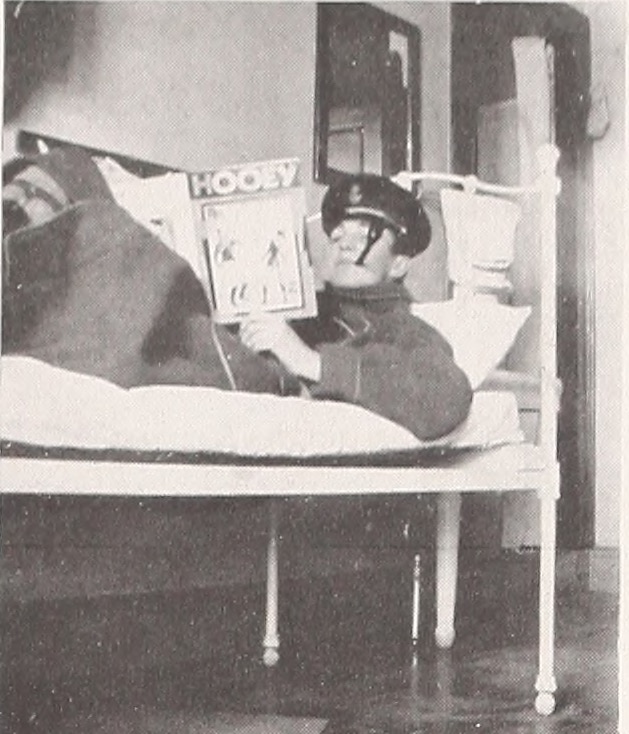
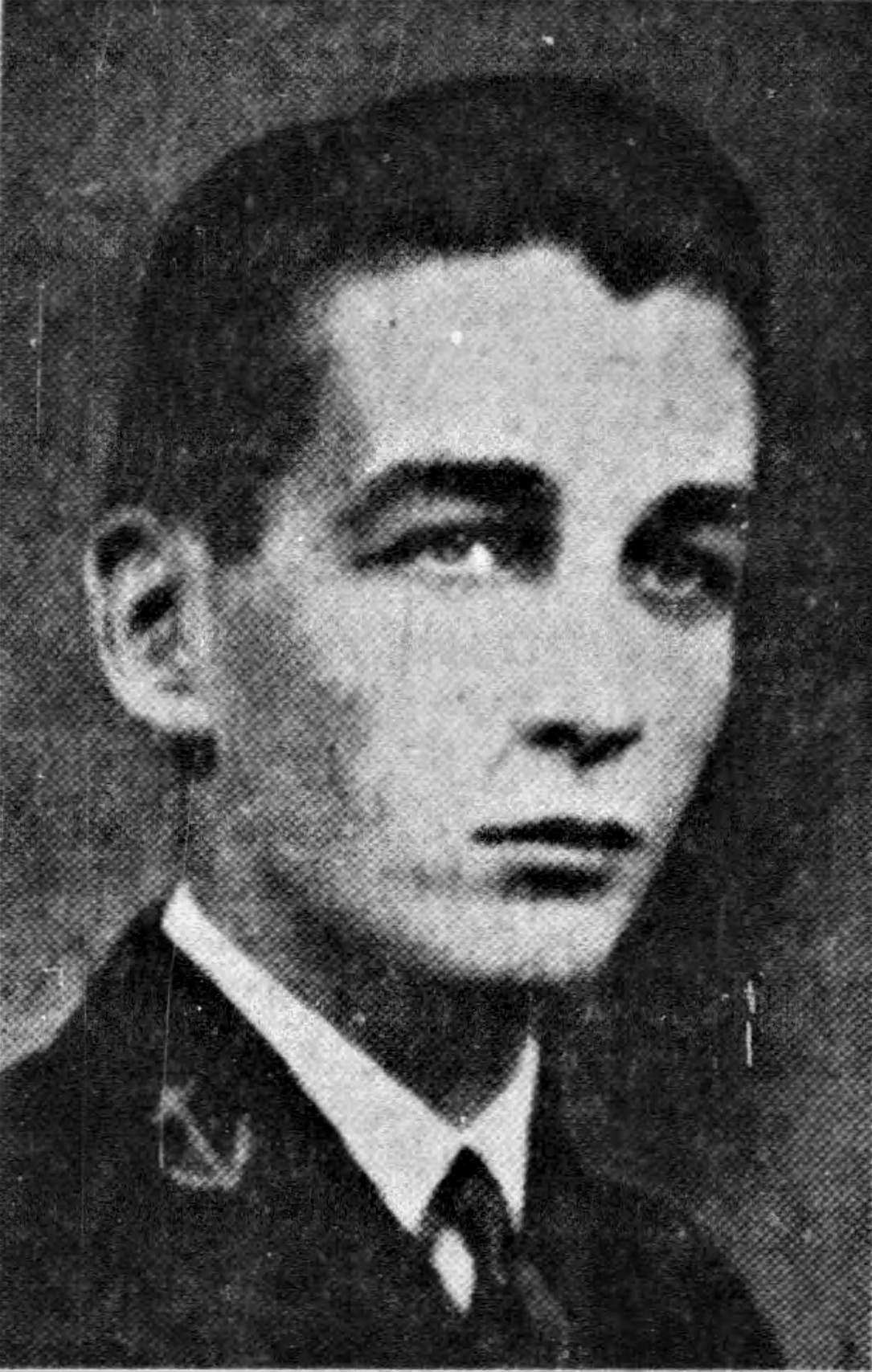
Navy Directories & Officer Registers
The "Register of Commissioned and Warrant Officers of the United States Navy and Marine Corps" was published annually from 1815 through at least the 1970s; it provided rank, command or station, and occasionally billet until the beginning of World War II when command/station was no longer included. Scanned copies were reviewed and data entered from the mid-1840s through 1922, when more-frequent Navy Directories were available.
The Navy Directory was a publication that provided information on the command, billet, and rank of every active and retired naval officer. Single editions have been found online from January 1915 and March 1918, and then from three to six editions per year from 1923 through 1940; the final edition is from April 1941.
The entries in both series of documents are sometimes cryptic and confusing. They are often inconsistent, even within an edition, with the name of commands; this is especially true for aviation squadrons in the 1920s and early 1930s.
Alumni listed at the same command may or may not have had significant interactions; they could have shared a stateroom or workspace, stood many hours of watch together, or, especially at the larger commands, they might not have known each other at all. The information provides the opportunity to draw connections that are otherwise invisible, though, and gives a fuller view of the professional experiences of these alumni in Memorial Hall.
October 1939
June 1940
November 1940
April 1941
Norman is one of 79 members of the Class of 1939 on Virtual Memorial Hall.