1LT WILLIAM B. TAYLOR, USAF
Lucky Bag Yearbook
From the 1950 Lucky Bag:
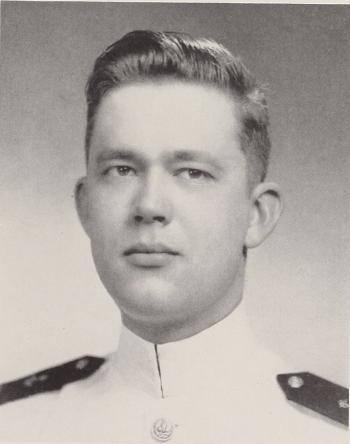
WILLIAM BLAKELY TAYLOR
Loss & Obituary
From the Arizona Daily Star on August 12, 1953:
Tucson Pilot Dies
First Lt. William E B. Taylor, 25, of Tucson, a veteran of 100 Korean combat missions, was killed Monday when his F86 jet fighter plane crashed near Indian Springs, Nev.
A gunnery instructor at Nellis Air Force Base near Las Vegas, he was leading a group of trainees when his plane went into a dive and failed to pull out.
Lieutenant Taylor was the son of Mrs. Florence S. Taylor, of 585 South Wilson avenue, and a 1950 graduate of the U.S. Naval academy, Annapolis, Md. The holder of the Distinguished Flying Cross and the Air Medal with two clusters, he was assigned to Nellis Air Force Base after spending 11 months in Korea.
Born in Tuscaloosa, Ala., Lieutenant Taylor attended the University of Alabama for a year and a half before entering the naval academy, After graduating he accepted a commission in the air force and went to Randolph field, Tex., to take primary flight training. In 1951 he received his wings at Craig air force base, in Alabama, and then was transferred to Luke air force base, Phoenix for pre-combat flying.
He was a third degree Mason and a member of Pi Kappa Phi social fraternity. In addition to his mother, he is survived by a sister, Mrs. O. J. Timian, of Tucson.
Mrs. Taylor and her daughter are leaving today for Tuscaloosa, where funeral services and burial will take place.
Other Information
From researcher Kathy Franz:
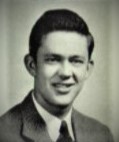
“Billy” graduated from Tuscaloosa High School in 1944. “When devilment calls, he listens.” Greasepainters ’41, ’42, ’43; Boys Hi-Y ’42, ’43; Victory Corps ’42; Spanish Club ’41; Don’t Take My Penny ’43.
In 1940, William’s mother Florence was a bookkeeper in a furniture store, and his sister Eugenia was a waitress. His father was also William B., who was a bookkeeper for a lumber company in 1930. He died in 1932.
He is buried in Alabama.
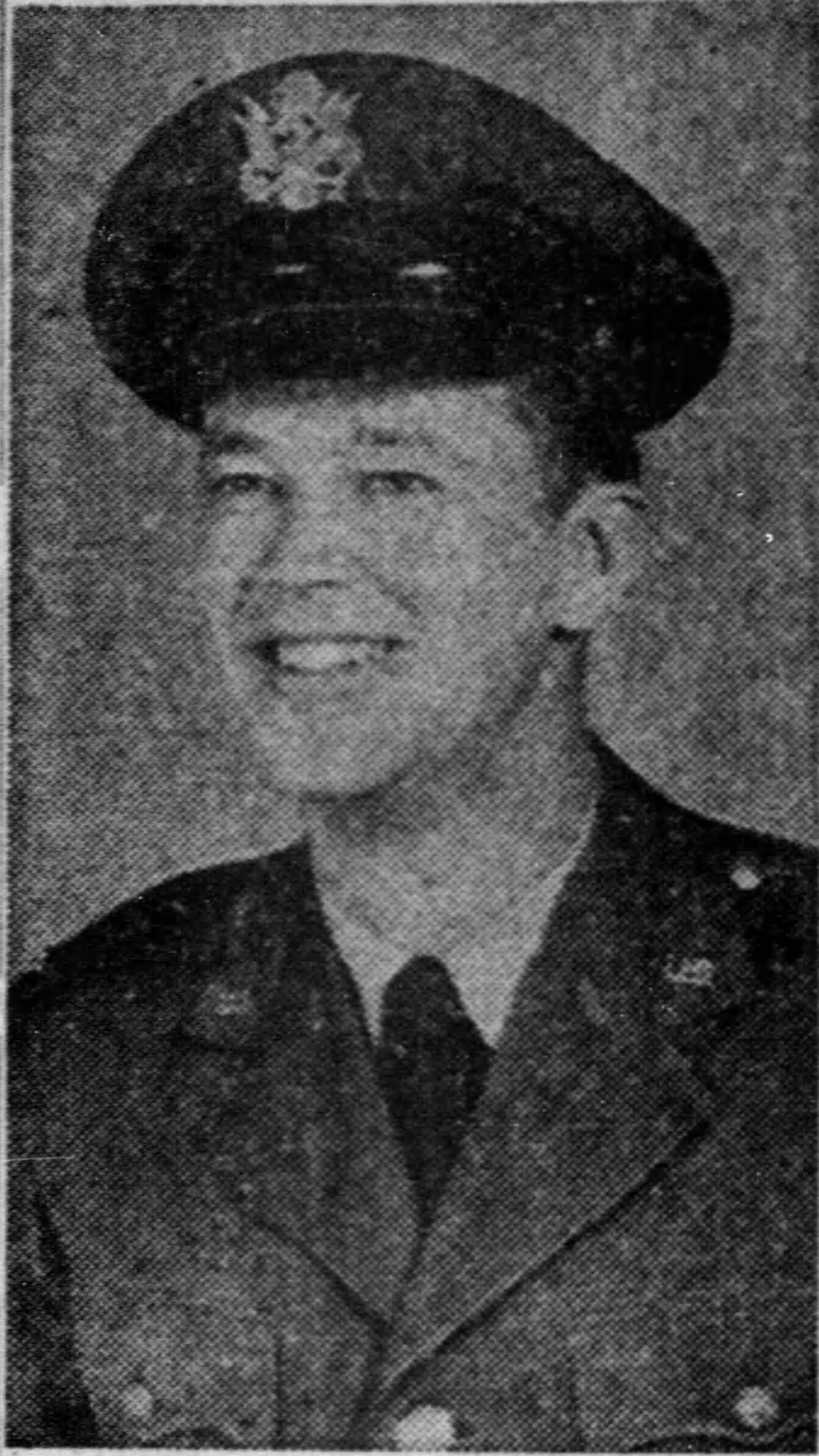
Photographs
Memorial Hall Error
William is not listed with his classmates. This mistake was discovered by researcher Kathy Franz.
William is one of 36 members of the Class of 1950 on Virtual Memorial Hall.